



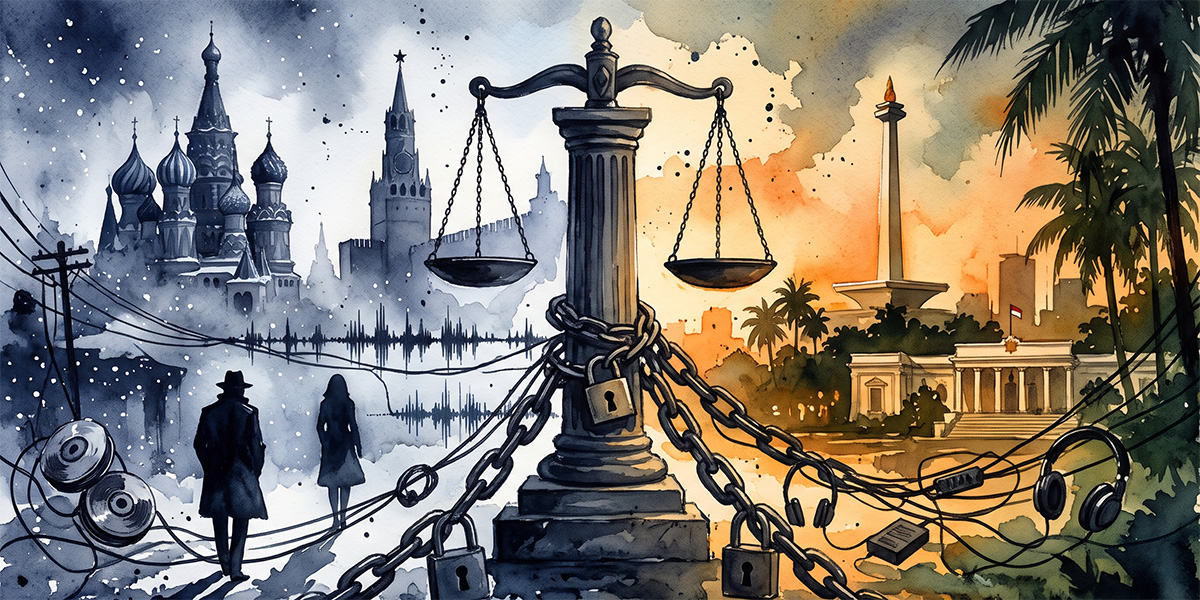
 Generated by AI

Penulis

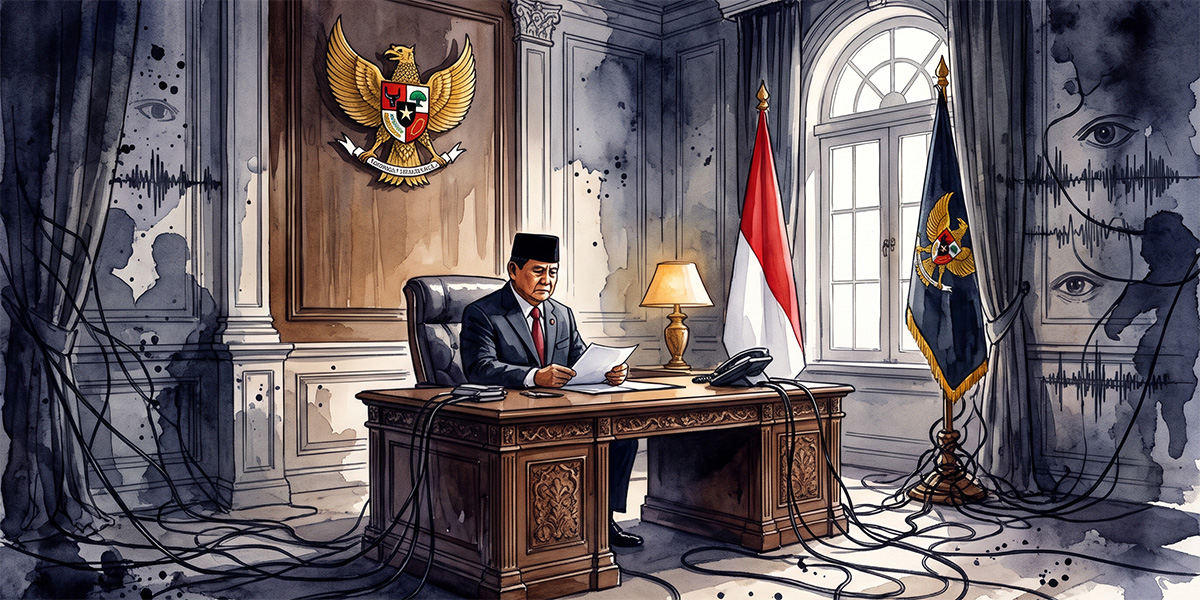
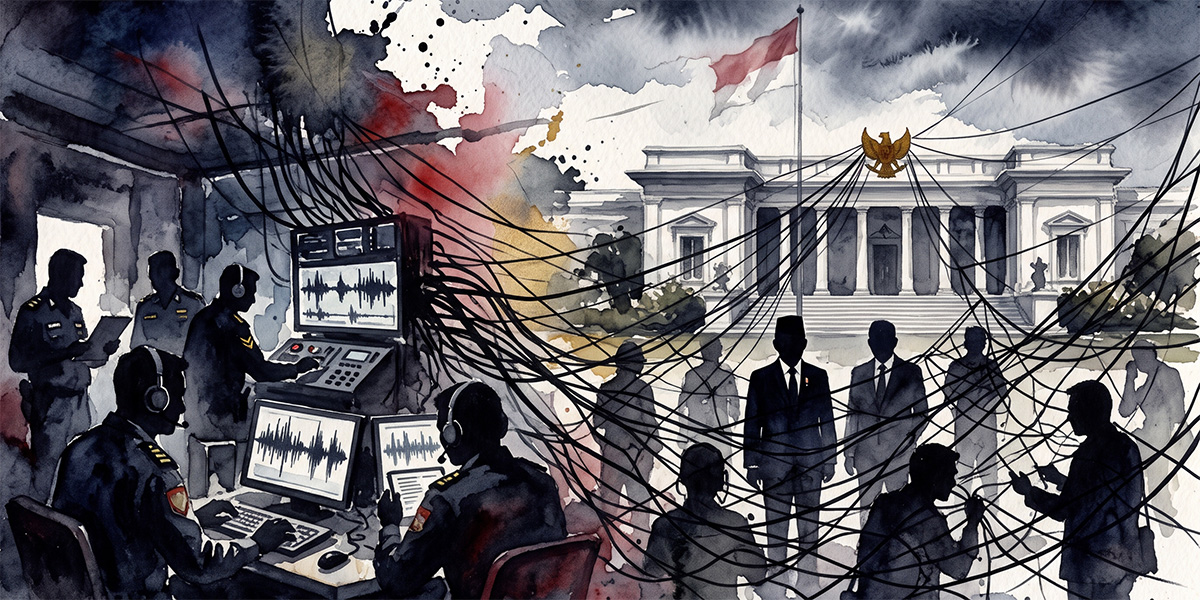
From Cold War honeypots to Jakarta's wiretapping scandal, true national security depends less on catching individual spies and more on ensuring surveillance tools are shackled by independent institutions rather than partisan factions.
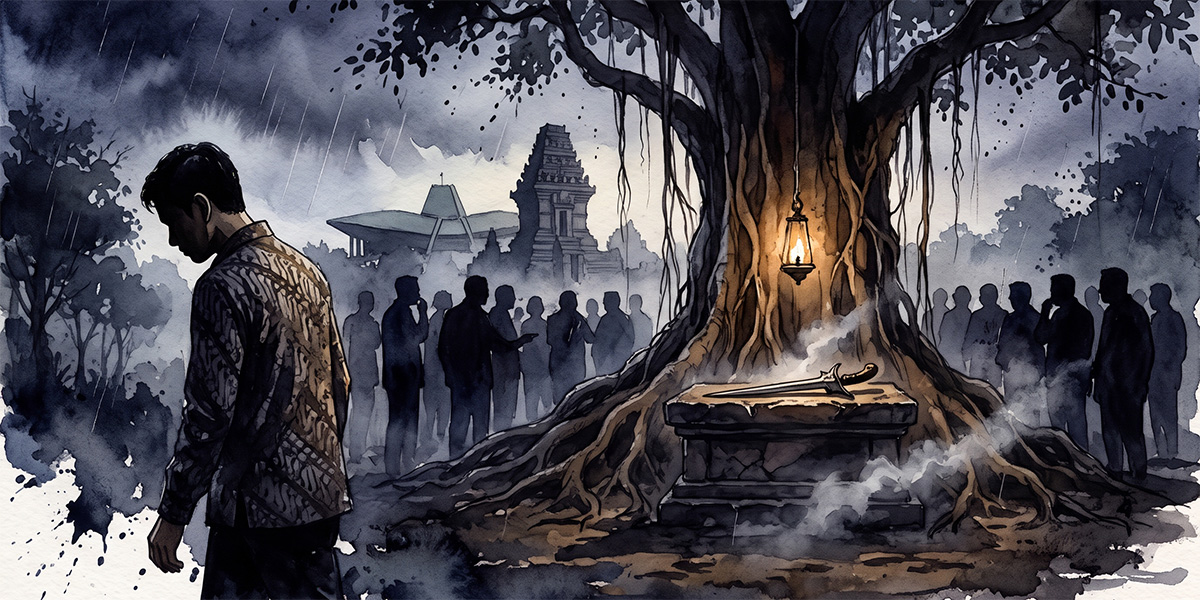
In December 1986, as the last guests left the Christmas party at the United States Embassy in Vienna, a young Marine sergeant named Clayton Lonetree pulled a CIA officer aside. He had served as a guard at the embassy in Moscow, he said, and had got into something with the KGB. He was in over his head.
What followed became a Cold War sensation. There was a lonely guard and a striking embassy translator named Violetta Seina. Then came a friendly "Uncle Sasha" with a list of questions, and embassy floor plans handed to Soviet intelligence. Washington feared its whole Moscow embassy was compromised.
It had been badly penetrated, but not mainly by Lonetree. Some of the damage first blamed on the Marines was later traced to Aldrich Ames, a CIA officer selling secrets from inside headquarters. The honeypot made the better story. The mole did the greater harm.