



 Generated by AI

Penulis
As the largest World Cup in history unfolds across North America, 48 nations are testing an old question on grass: how does a country become a champion? Political economy answered that question by explaining why some economies thrive in a hostile world while others are punished by it.
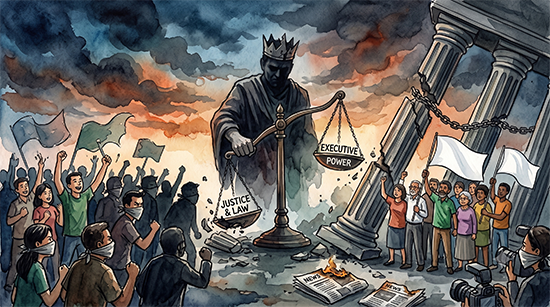
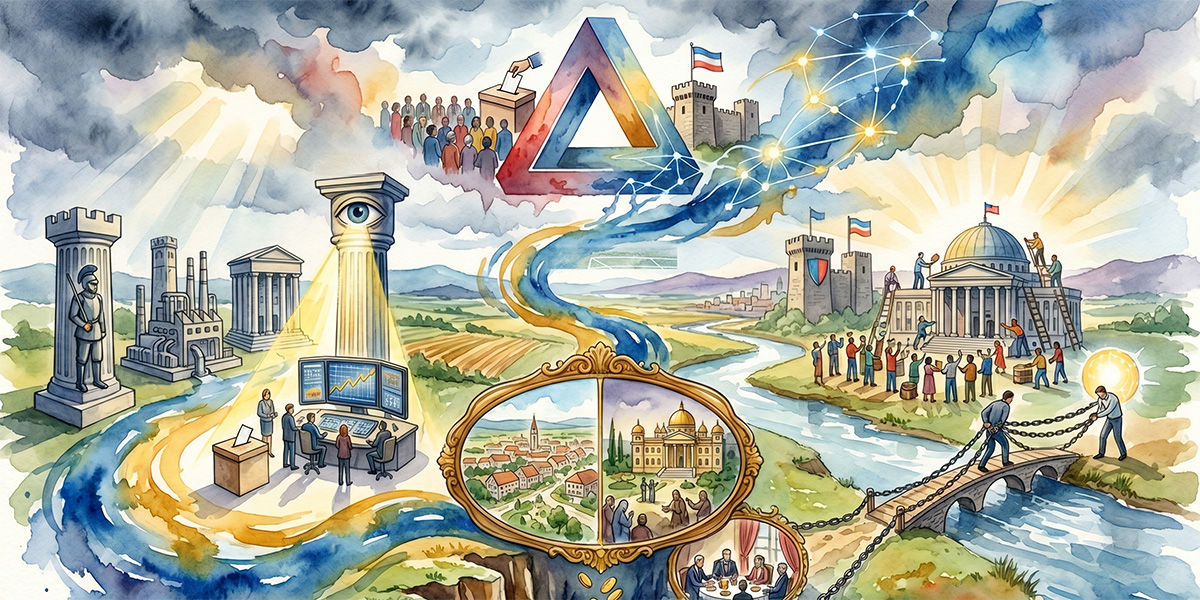
Begin with Dani Rodrik. His globalization trilemma holds that deep global integration, national sovereignty and democratic politics form an impossible trinity: a country may hold any two, but never all three. The mechanism is simple. The moment an economy opens to global capital, it acquires a second electorate - investors who vote every trading day, in the currency and bond markets - whose demands routinely collide with those of actual voters. A government can silence its investors by closing the economy, silence its voters by closing its politics or discipline itself so severely that both constituencies stay confident. What it cannot do is satisfy all three claims at once.
Susan Strange explains why the contest is unequal. In States and Markets, she distinguished relational power - making someone do something - from structural power: setting the frameworks within which everyone must operate. Structural power rests on four pillars: security, production, finance and knowledge, and Strange showed it migrating from governments to markets, which now write terms elected officials merely inherit. Her sharpest insight concerned the knowledge pillar: credit is belief, so whoever shapes what markets know and trust controls the casino before a single chip moves. A state that hides its books has disarmed itself in the decisive arena.